
TL;DR — the essentials
- Every dress code sits on one scale of formality: casual → smart casual → business casual → business → cocktail → black tie.
- Formality rises with three factors: more structure, less colour, finer fabrics. Once you understand that, you can place any code.
- A dress code tells you how formal to arrive — not which cut suits you. A soft type wears the same code differently from an angular one.
- Vague invitations ("festive", "smart but relaxed") are read through the occasion, the venue and the time of day — evening is always more formal.
- When in doubt: one step more formal, but plain. Overdressed stands out less than underdressed.
Contents
- The short answer
- What a dress code actually governs
- The scale of formality
- The 6 dress codes in detail
- Overview: all codes compared
- The same code, your line
- Which colours for which dress code
- Decoding vague invitations
- Five steps to the right outfit
- Dress codes by industry
- The 6 most common mistakes
- Frequently asked questions (FAQ)
The short answer
Short answer
The key dress codes for women, from relaxed to formal, are: casual (polished everyday clothes), smart casual (blouse with blazer, elegant trousers), business casual (blazer with skirt or tailored trousers, no full suit required), business (trouser suit or skirt suit), cocktail (knee-length elegant dress) and black tie (long evening gown). The more formal the code, the more structured the cut, the more restrained the colour and the finer the fabric.
Few lines on an invitation cause as much uncertainty as the one naming the dress code. The problem: most guides list garments but never explain the system behind them — and certainly not how a code looks on your figure and in your colours. That is exactly what this guide does.

What a dress code actually governs
A dress code states the level of formality of an occasion — not your personal style. It sets how much structure, how much restraint and which material level are expected. It says nothing about which cut flatters your figure or which colour makes your complexion glow.
That distinction is why two women in the same code may — and should — look completely different. "Business casual" is satisfied whether you wear a softly falling blazer over a silk blouse or a sharply cut one with a defined shoulder. Both are correct; only one version suits your line. (Historically the codes come from Western dress conventions, whose most formal levels survive today in the black tie standard.)
The scale of formality: the system behind every code
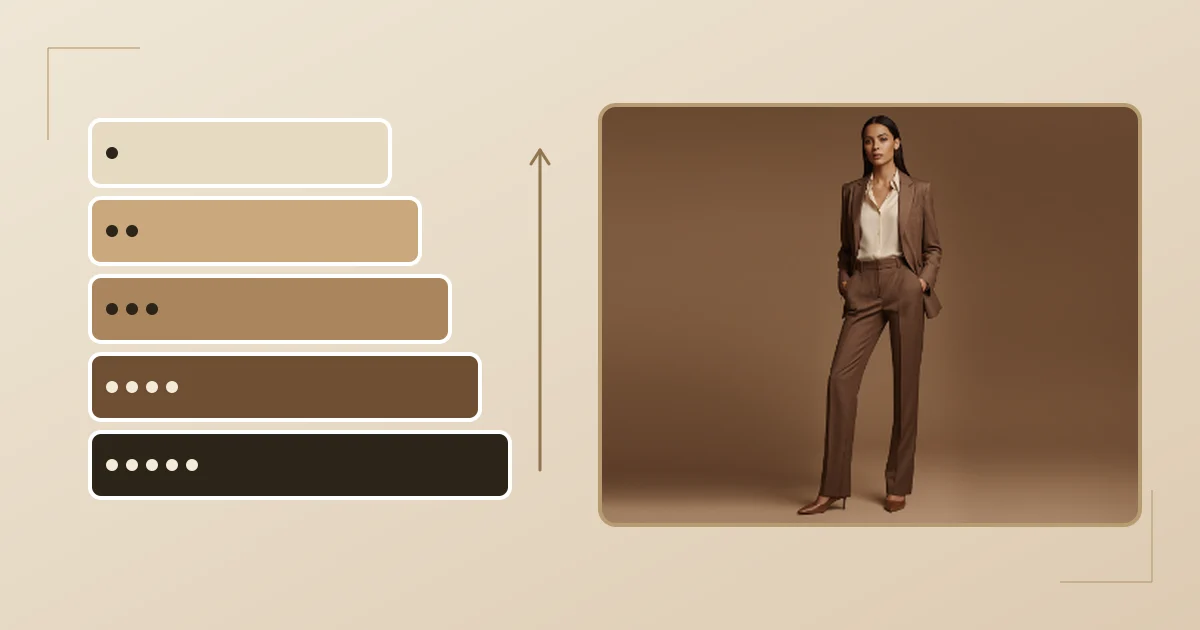
Every dress code can be placed on a single scale. Once you know that scale you do not have to memorise lists — you can sort any new term into it. Formality rises along three axes at the same time:
- Structure: the more formal, the more constructed the cut — from soft knitwear through a tailored blazer to a fully worked skirt suit.
- Colour: the more formal, the more restrained the palette — from bright and patterned through muted tones to deep neutrals and black.
- Material: the more formal, the finer the fabric — from jersey and denim through wool blends and cotton poplin to silk, satin and velvet.
"Formality is not a question of price but of structure. An inexpensive, cleanly tailored blazer reads as more formal than an expensive oversized cardigan — because it holds its shape."
The 6 dress codes in detail
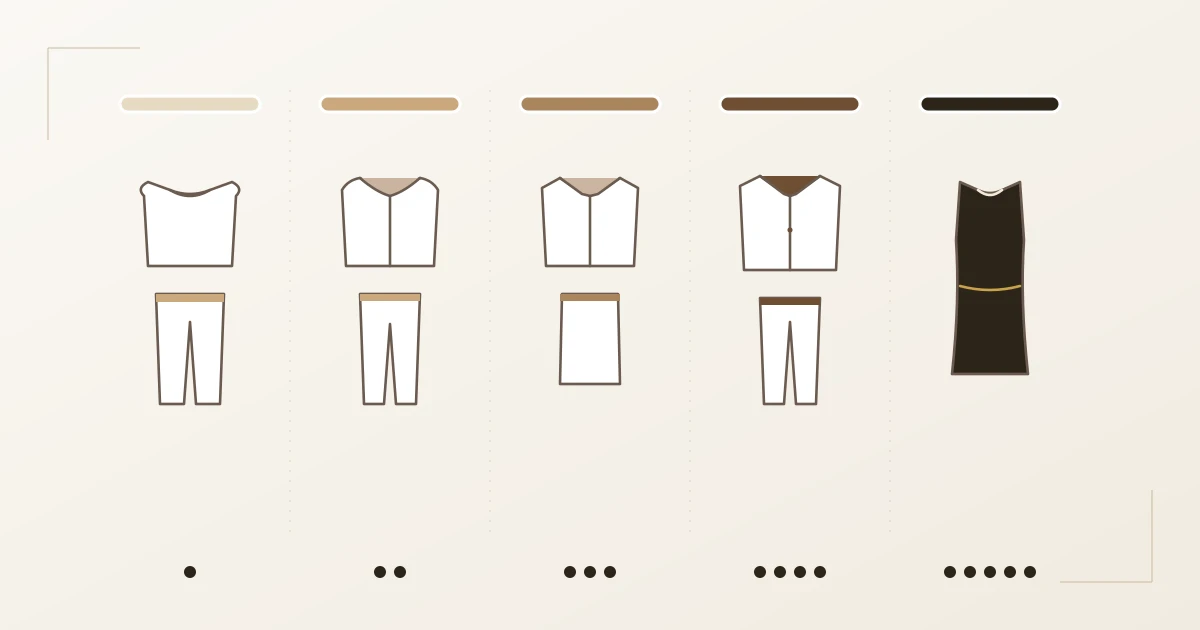
1. Casual — polished everyday clothes
Casual is the most relaxed code and means polished everyday clothing, not loungewear. The core pieces are straight, dark jeans or chinos, a clean shirt or a light blouse, a cardigan or an unstructured jacket, plus simple trainers, loafers or flat ankle boots. What breaks the code: ripped jeans, sportswear, flip-flops and faded prints. Typical occasions are private get-togethers, a company outing or a relaxed meeting in creative industries.
2. Smart casual — relaxed, with one elegant element
Smart casual is casual plus one deliberately elegant piece that lifts the whole look. In practice that means dark jeans or tailored trousers combined with a silk blouse and a soft blazer, worn with loafers or fine ankle boots. A single structured garment is enough — usually the jacket. Occasions are dinner at a good restaurant, after-work events or client meetings in less formal industries.
3. Business casual — the office without a suit requirement
Business casual is the most common code in German working life and means professional clothing without a full suit. The core pieces are a structured blazer, tailored trousers or a knee-length skirt, a blouse or fine knitwear, and closed shoes with a moderate heel. Jeans are usually still allowed here if they are dark, straight and immaculate. What does not work: trainers, strappy tops and anything sheer.
4. Business / formal — the classic professional code
Business is the formal level of working life: a trouser suit or skirt suit in a muted colour, with a plain blouse and closed pumps. The palette stays restrained — navy, charcoal, grey, black or muted brown. This code applies at banks, law firms, public authorities, board meetings and job interviews in conservative industries. How to translate it into your own cut is covered in detail in the business look by Kibbe type.
5. Cocktail — festive, but not an evening gown
Cocktail is the festive code for the evening without the strictness of an evening gown. The core piece is the knee- or calf-length cocktail dress; an elegant jumpsuit or fine silk trousers with a refined top work just as well. Add heeled shoes and understated but visible jewellery. Occasions are weddings without a stricter instruction, receptions, gallery openings, milestone birthdays and upmarket company events.
6. Black tie — the most formal level
Black tie is the most formal common instruction and calls for a long evening gown for women or — in a more modern reading — a very elegant trouser suit in evening quality. Materials are silk, satin, velvet or crêpe; accessories stay refined and minimal, with a clutch instead of a handbag. Occasions are balls, galas, opera premieres and formal evening events. The "black tie optional" variant also allows a very festive knee-length dress.
Overview: all codes compared
| Dress code | Occasion | Core pieces | No-gos |
|---|---|---|---|
| Casual | Private, company outing | Dark jeans, shirt, cardigan, trainers | Sportswear, ripped jeans |
| Smart casual | Restaurant, after-work | Tailored trousers, silk blouse, soft blazer | Trainers with a suit, hoodie |
| Business casual | Everyday office, client meeting | Blazer, tailored trousers or skirt, blouse | Strappy tops, trainers, sheer fabrics |
| Business | Bank, law firm, job interview | Trouser suit or skirt suit, pumps | Loud colours, bold patterns |
| Cocktail | Wedding, reception, light gala | Knee-length dress, elegant jumpsuit | White at weddings, everyday shoes |
| Black tie | Ball, gala, premiere | Long evening gown, clutch | Short dress, everyday bag |
The same code, your line
A dress code sets the formality — your body line determines the execution. This is exactly where most guides fail: they show one example outfit that works on a particular figure and leave open why it falls flat on another.
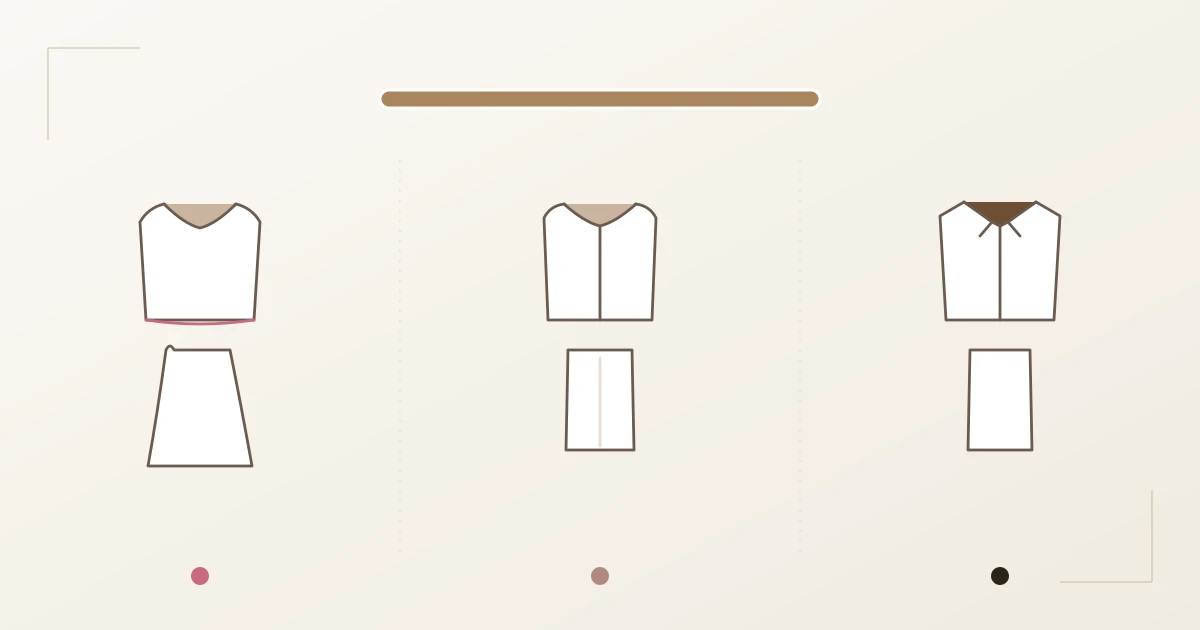
The image shows the same code — business casual — in three executions. On the left the soft line: rounded lapel, softly falling fabric, A-line skirt. In the middle the balanced line: clear symmetry, moderate structure, straight skirt. On the right the sharp line: peak lapel, defined shoulder, clean edges. All three satisfy the dress code; only one suits your structure.
Which line is yours is answered by the Kibbe body type system — you will find the self-test in the do-it-yourself Kibbe test. In practice: if you have a soft line, pick the more softly constructed versions within the code; if you have a sharp line, the cleanly cut ones. The code stays the same, the effect becomes coherent.
Which colours for which dress code
Colour follows two rules at once: the dress code sets the saturation and restraint, your colour type sets the nuance. The more formal the occasion, the more muted the palette — but within that brief you choose the tones that match your undertone.
An example: the code calls for a muted navy. A cool type takes a clear, bluish navy; a warm type takes a navy with a slight grey veil, or switches to deep chocolate brown, which reads warmer on her. Both satisfy the brief of "muted and serious", each in her own temperature.
- Business and black tie: deep neutrals — navy, charcoal, black, muted brown. Accents only through material and jewellery.
- Business casual and smart casual: muted colours plus one accent from your palette, ideally close to the face.
- Casual and cocktail: here you have the greatest colour freedom — cocktail even allows strong tones, as long as the fabric stays refined.
Which nuances are yours is settled by your colour type. How colour and cut work together in general is explained in combining colour type and Kibbe type.
Decoding vague invitations
The most common practical question is not about the classic codes at all but about vague wording: "festive", "smart but relaxed", "casual chic" or no instruction whatsoever. These terms are not official codes — you read them through three contextual signals.
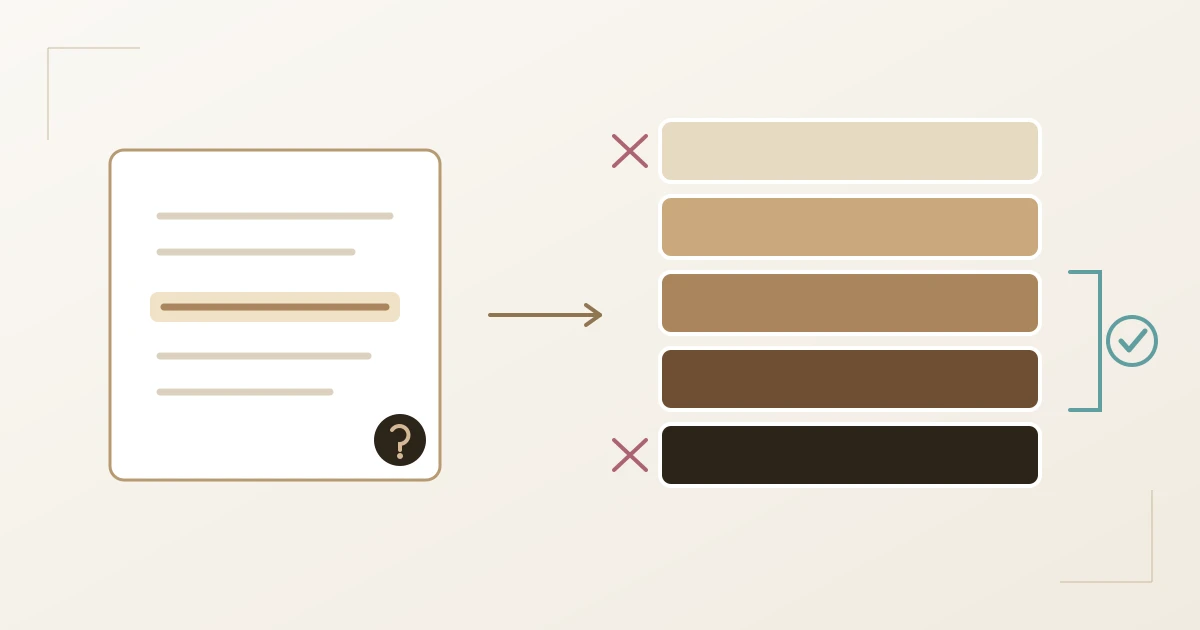
- The time of day: anything from roughly 6 p.m. is more formal than the same event in the afternoon. Evening means: one level up.
- The venue: a castle hotel demands more than a barn, a law firm more than a co-working space. The venue is the most honest signal.
- The occasion: a wedding ceremony is more formal than a summer party, an awards evening more formal than an anniversary among colleagues.
These three signals almost always produce a range of two neighbouring levels — and anywhere in there you are right. "Festive" at an evening wedding means cocktail in practice; "smart but relaxed" at an afternoon reception means smart casual. If you are still unsure, one simple sentence to the hosts helps: "I would like to fit in — more suit and dress, or more relaxed?" That is not embarrassing, it is respectful.
When in doubt: one level more formal, but plainer. A simple dark dress is never uncomfortable when you are slightly too formal — a look that is too relaxed at a formal occasion always is.
Five steps to the right outfit
- Place the code: put the instruction on the scale of formality. With vague wording, use time, venue and occasion.
- Choose the core piece: every level has one defining garment — blazer, suit or dress. The outfit starts there, not with the accessories.
- Adapt the cut to your line: softly, evenly or sharply constructed — same level, your execution.
- Pick the colour from your palette: take the restraint the code demands and translate it into your undertone.
- Check yourself in the mirror: assess fit, length and shoes in a full-length view. If one piece drags the look down, it is almost always the shoe.
Anyone who runs these five steps once for the two or three codes that genuinely occur in their own life needs surprisingly few garments afterwards. That is exactly what a well-planned capsule wardrobe aims at: one blazer, one good pair of trousers, one dark dress and matching shoes cover four of the six levels.
Dress codes by industry: same label, different expectation
The same code label means something different depending on the industry — the most common source of misjudgement in working life. "Business casual" at a law firm sits roughly where "business" ends at an agency.
- Finance, law, insurance, administration: the expectation generally sits one level above what the label suggests. Business casual here means: blazer mandatory, tailored trousers instead of jeans, closed shoes.
- Consulting and sales: the expectation follows the client, not your own office. Rule of thumb: one level more formal than the client, so you read as credible but not distant.
- Creative industries, media, tech: here the code is genuinely casual to smart casual — over-formality quickly looks out of place. Instead of formality, you score through fit and material quality.
- Health, education, public sector: practicality comes before formality; neat, muted and easy to move in beats strictly tailored.
A reliable calibration trick for your first day or first client meeting: take your cue from the leadership level, not from the average of the workforce. That level shows where the code moves in case of doubt — and therefore sits closer to the actual expectation.
The 6 most common mistakes
- Reading the code literally instead of by intent. "Business casual" does not mean "anything with a blazer" but a specific level of formality.
- Economising on the shoe. The shoe determines perceived formality more strongly than any other garment.
- White at weddings. Cream-coloured or heavily white-dominated looks are also off limits for guests unless stated otherwise.
- Too many signals at once. Strong colour, bold pattern and large jewellery together overload any formal code.
- Ignoring the fit. A badly fitting suit undercuts the code more than a simple, well-fitting dress.
- Going purely by example photos. An outfit that works on a different figure is no evidence that it works on yours.
Unsure how a dress code looks on your figure and in your colours? A professional colour and style consultation translates every code into concrete cuts, colours and pieces.
To the colour & style consultation →Frequently asked questions (FAQ)
What is the difference between smart casual and business casual?
Smart casual is more relaxed and more private in character: a casually combined base plus one elegant element, usually the blazer. Business casual is professional in character and expects consistently professional pieces — structured blazer, tailored trousers or skirt, blouse. The rule of thumb: smart casual almost always allows jeans, business casual only in dark, straight and immaculate form.
What do you wear for a cocktail dress code?
For a cocktail dress code you wear an elegant knee- or calf-length dress, or alternatively a refined jumpsuit or fine silk trousers with a high-quality top. Add heeled shoes, a small bag and understated but visible jewellery. A floor-length evening gown, by contrast, belongs to black tie.
Are jeans allowed for business casual?
In many companies yes — but only in a dark, straight cut without washes, rips or embellishment, combined with a blazer and closed shoes. In conservative industries such as banking or law, jeans usually remain unwelcome even under business casual. When in doubt, replace them with dark tailored trousers.
What does "festive" mean on an invitation?
"Festive" is not an official dress code but a paraphrase. At an evening event it means cocktail in practice, so an elegant knee-length dress or an equivalent alternative. At an afternoon occasion a festive dress or an elegant trouser suit without evening character is usually enough.
Can I wear a trouser suit for black tie?
Yes — a very elegant trouser suit in evening quality, for instance in velvet, satin or fine crêpe, is a modern and accepted black tie alternative to a long dress. What matters is material level and construction: a business suit does not satisfy the code, an evening suit does. Accessories stay minimal and refined.
Which colours are right for formal dress codes?
The more formal the code, the more restrained the palette: navy, charcoal, black and muted brown are safe for business and black tie. Within that brief you choose the nuance according to your colour type — cool types a clear navy, warm types rather a deep chocolate brown. With formal codes, colour accents run through material and jewellery.
Which is worse: overdressed or underdressed?
Underdressed reads less favourably in almost every situation, because it can be taken as a lack of respect. Overdressed stands out less if the look stays plain — a simple dark dress without conspicuous detail adapts to almost any setting. Hence the rule when in doubt: one level more formal, but more restrained.
Does the dress code also determine which cut suits me?
No. The dress code only sets the level of formality, not the cut. You can execute the same code softly, evenly or sharply constructed — which version flatters you depends on your body line, in the Kibbe system on your type. Code and cut are two separate decisions.
Which shoes go with which dress code?
Formality rises from trainers through loafers and ankle boots to closed pumps and finally to fine heeled shoes in satin or patent. The shoe determines perceived formality more strongly than any other piece — a shoe that is too relaxed visibly drags down even a good outfit.
How many pieces do I need to cover all dress codes?
Four well-chosen pieces cover most everyday occasions: a structured blazer, dark tailored trousers, a plain dark dress and closed pumps. With those you satisfy smart casual, business casual, business and, in the right execution, cocktail too. Only black tie requires an additional evening piece.
Sources & further reading: Western dress codes — overview · Black tie (standard).