
TL;DR — the essentials at a glance
- The Dramatic Classic is the sharper half of the Classic family: symmetrical and harmonious like every Classic, but with a clear Yang surplus — slightly angular bones, defined edges, straight clean lines.
- Styling principle: sharp symmetry. Structured, tailored cuts with clean straight lines — never softly washed-out, never overly extravagant.
- The distinction in one sentence: more edge than Soft Classic, more balance than Dramatic, more precision than pure Classic.
- Core pieces: a structured blazer with a defined shoulder, a straight pencil skirt, clean sheath or column dresses, pointed pumps, understated geometric jewelry.
- The biggest trap: styling yourself too soft. Washed-out, voluminous or unstructured looks erase the clean line.
Table of contents
- The short answer
- What defines the Dramatic Classic type?
- The traits in detail
- Dramatic Classic vs. Classic, Soft Classic & Dramatic
- The styling logic: sharp symmetry
- The Dramatic Classic wardrobe
- Fabrics, patterns & colors
- Jewelry & accessories
- The 5 biggest styling mistakes
- Dramatic Classic at work & every day
- Famous Dramatic Classic examples
- The Dramatic Classic self-check: 5 questions
- Frequently asked questions (FAQ)
The short answer
Short answer
The Dramatic Classic is the Kibbe type with a symmetrical, harmonious underlying structure and a clear but moderate Yang surplus: slightly angular bones, defined edges and straight, clean lines. It belongs to the Classic family but tips toward the sharp side. Its styling logic is sharp symmetry: structured, tailored cuts with clean straight lines, crisp silhouettes, precise edges. Anyone who recognizes herself as a Classic but notices that soft, washed-out looks fall flat — while over-the-top extravagance is too much — is usually a Dramatic Classic.
The Dramatic Classic is often overlooked because it sits between two better-known neighbors: the elegant pure Classic and the striking Dramatic. If you have ever felt instantly "right" in a crisply cut blazer — but like you were playing dress-up in ruffles or flowing boho silhouettes — you are probably looking at a Dramatic Classic. This guide builds on the Classic family post and explains the sharper of its two variations in detail.

What defines the Dramatic Classic type?
In the Kibbe Body Type System, the Dramatic Classic is one of the two active variations of the Classic family. Like every Classic, it is symmetrical, harmonious and defined by balance: no broken line, no lush curve, no sprawling width — just clean, uninterrupted symmetry. The difference from the pure Classic lies in the direction the scale tips: in the Dramatic Classic, Yang prevails.
In concrete terms: the Yang elements — slightly angular bones, defined edges at the shoulder and jawline, straight clean lines, a precise rather than soft contour — are more visible than in the pure Classic, without ever tipping into the extreme length and narrowness of the Dramatic. The harmonious base note stays Classic. The sharpness is an accent, not a statement.
David Kibbe himself stresses in his work that it is not about individual "body parts" but about the overall line — how fabric falls on your body and what essence you radiate. The Dramatic Classic radiates refined sharpness: elegant and pulled together like a Classic, but with a clear, almost severe precision. (If you want to brush up on the fundamentals of the system, you will find them in this introduction from The Concept Wardrobe.)
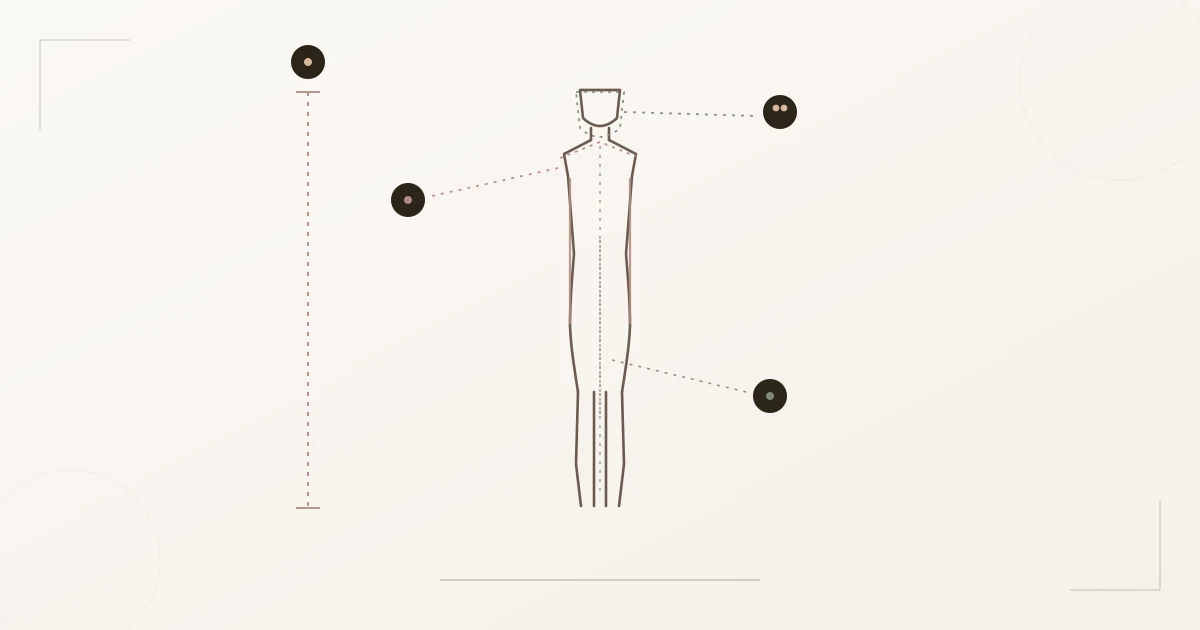
The traits in detail
The Dramatic Classic is defined by the combination of Classic symmetry and a moderate Yang accent. These four markers almost always appear together:
- Stature: moderate to slightly above average — typically 162–174 cm. A Dramatic Classic often looks a touch more elongated than a Soft Classic, without the extreme verticality of a Dramatic.
- Yin/Yang ratio: Yang dominant, but only moderately. The Classic symmetry is preserved; the sharpness is an accent, not an exaggeration.
- Bone structure: symmetrical with slightly angular, defined edges — clearly visible at the shoulders, wrists and jawline, but never as narrow and elongated as in the Dramatic.
- Flesh: firm and moderate, evenly distributed — a subtle, controlled curve rather than lush fullness, with a clean rather than soft contour.
- Face: symmetrical with defined features — clear cheekbones, a straight nose, a precise jawline, balanced eyes. Harmonious, but with a visible edge.
The decisive test is not a single trait but the interplay: symmetry plus a defined edge. Without the symmetry, you land in the Natural or Dramatic family. Without the edge, you are a pure Classic or Soft Classic.
Dramatic Classic vs. Classic, Soft Classic & Dramatic — how to tell them apart
The most common mix-up happens at exactly three borders. The pure Classic is too neutral, the Soft Classic too soft, the Dramatic too extreme. This table sets the four types side by side:
| Trait | Dramatic Classic | Classic / Soft Classic | Dramatic |
|---|---|---|---|
| Yin/Yang | Yang-dominant, symmetrical | Neutral (C) / Yin-dominant (SC) | Pure Yang, without balance |
| Height | Moderate, 162–174 cm | Moderate, 158–172 cm | Reads tall & narrow |
| Bones | Symmetrical, slightly angular, defined | Symmetrical, moderate (C) / soft (SC) | Narrow, long, sharp |
| Silhouette | Straight, clean, precise | Harmonious, moderate | Elongated, angular |
| Styling signature | Sharp symmetry, tailored | Balance & moderation / soft elegance | Monochrome, long, minimalist-extreme |
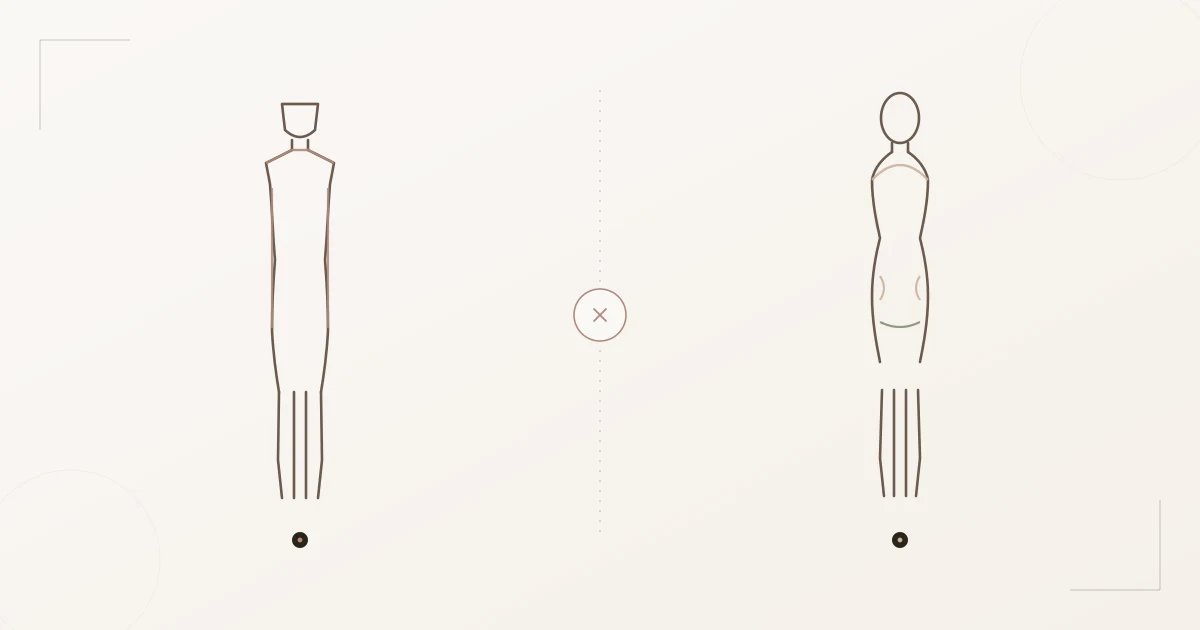
The fastest practical filter runs through the shoulder line and the jaw area. Clean, defined, slightly angular edges with full symmetry — Dramatic Classic. Soft, round edges with symmetry — Soft Classic. Very narrow, long, sharp edges without moderate balance — Dramatic. If you are still unsure here, you will find the most common pitfalls in the post Kibbe type identified wrong.
The styling logic: sharp symmetry with clean lines
The styling logic of the Dramatic Classic is sharp symmetry. Every piece has to meet two conditions: symmetrical and harmonious like a Classic — and with a clean, precise edge rather than a soft roundness. That is the entire code. Anything that breaks this code looks wrong.
"The Dramatic Classic needs the edge the way the Soft Classic needs softness. Take the clean line away from a Dramatic Classic and it instantly looks flat — as if a precise design had been washed out."
In practice this means: clean straight cuts instead of flowing drape. Defined shoulders instead of sloping softness. Precise edges instead of ruffles. A Dramatic Classic looks instantly cohesive in a crisply tailored sheath dress with a clean shoulder line — and looks erased in a soft, unstructured wrap dress. The edge is not hardness for its own sake; it is the visible form of the Yang signature.
Unlike the pure Dramatic, though, the Dramatic Classic needs this sharpness in a moderate, symmetrical dose. Extreme monochrome column looks, exaggerated lengths and avant-garde edges quickly read as too much on a DC — the Classic balance wants order, not drama.
The Dramatic Classic wardrobe: cuts & pieces
The Dramatic Classic wardrobe is a collection of precise, tailored core pieces with clean lines. Fewer, but sharper. These pieces form the foundation:
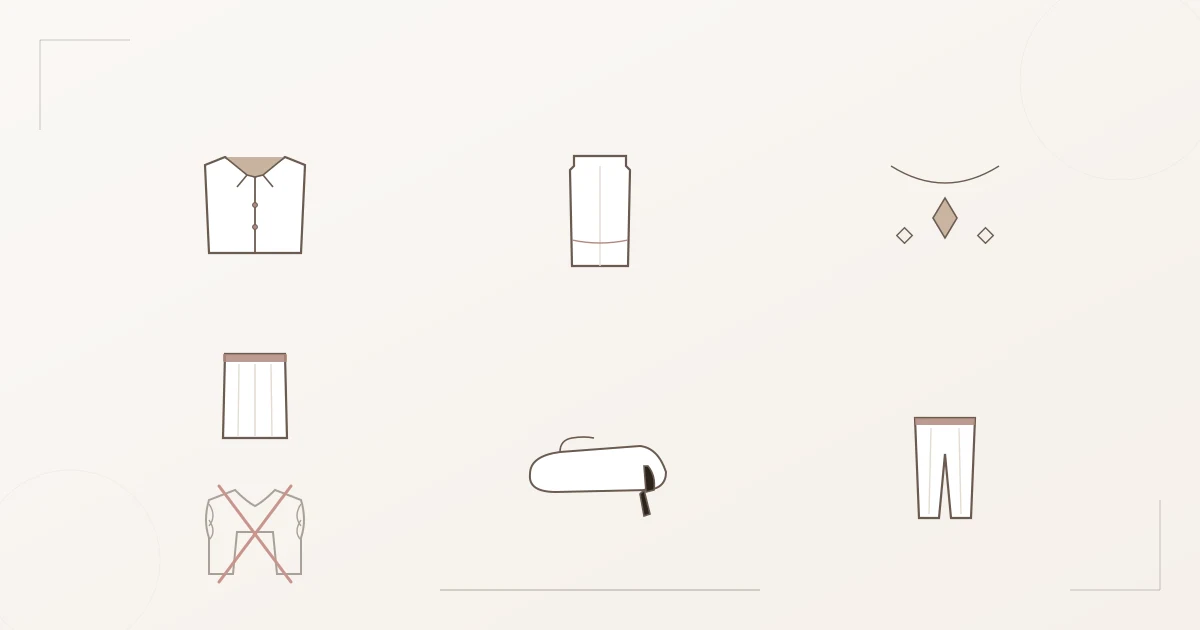
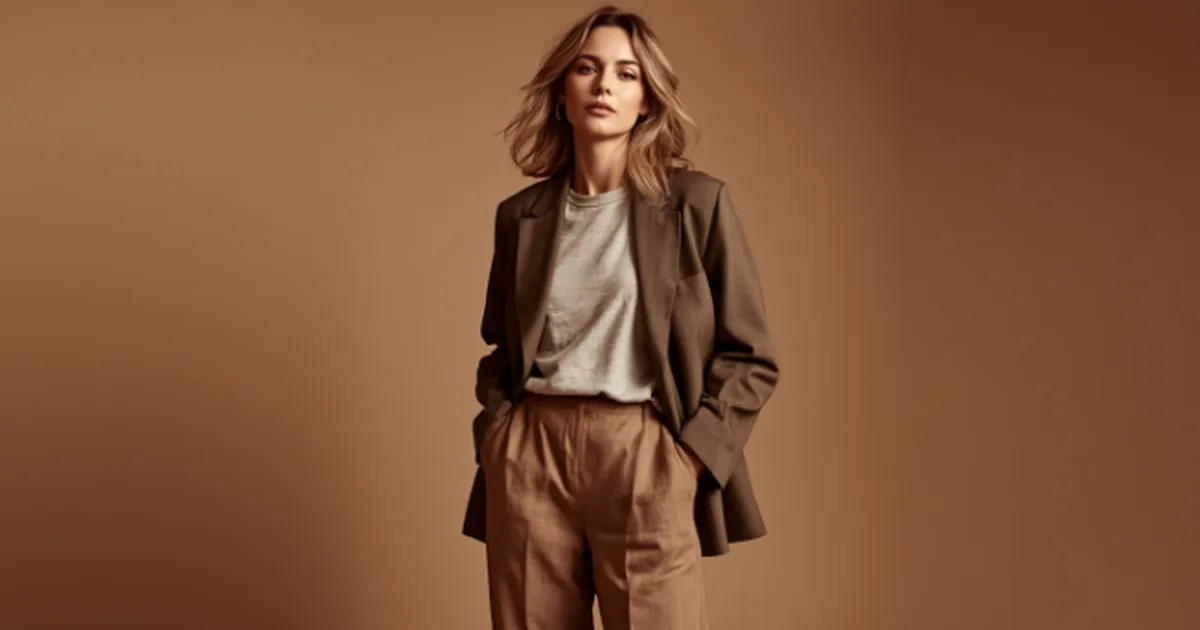
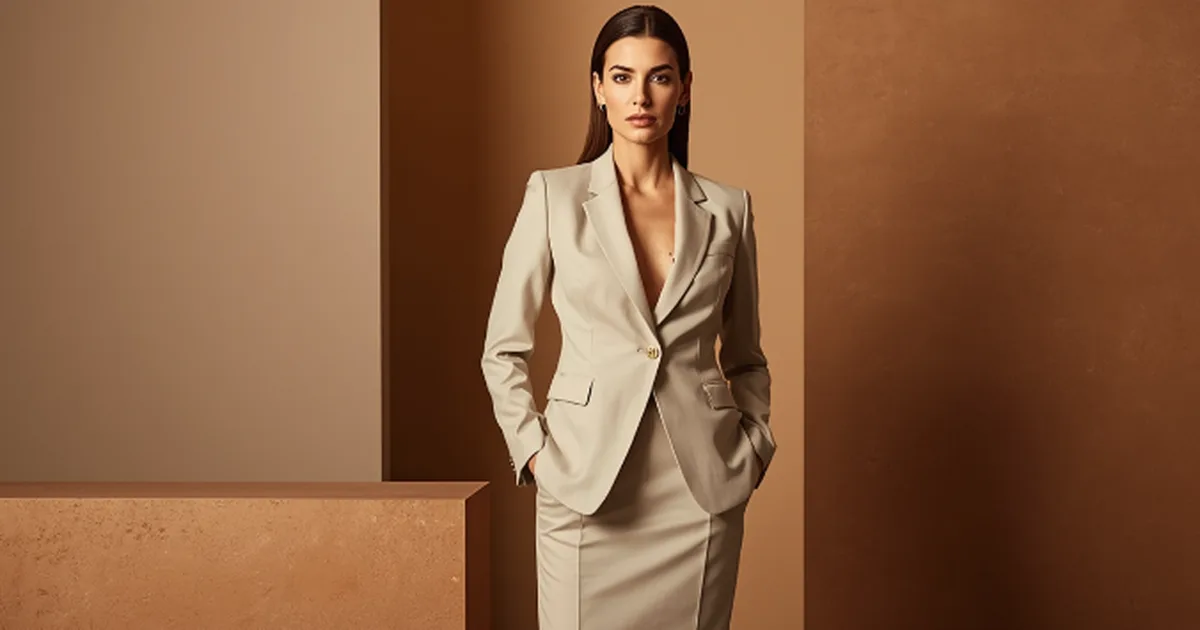
- The structured blazer: defined shoulder, clean peaked lapel, tailored straight line. The signature piece of the Dramatic Classic.
- The straight pencil skirt: a clean vertical line, a precise edge — exactly where it reads too hard on a Soft Classic, it sits perfectly on a DC.
- The sheath or column dress: a clean straight cut, a clean neckline edge (bateau, square, narrow V), no drape.
- The tailored straight trouser: with a clean crease, a clean drape, a precise length.
- The clean-lined coat: straight or slightly tailored, defined shoulder, minimalist collar.
- Pointed pumps: a slim, clean line rather than a round toe cap.
A deliberately curated selection of such pieces is the core of any capsule wardrobe by Kibbe type — for the Dramatic Classic, precision pays off more than quantity.
Fabrics, patterns & colors
Fabrics follow the same logic: structured and clean, with a clean edge. The DC wears materials that hold a shape instead of falling soft.
- Ideal fabrics: gabardine, fine wool twill, cotton poplin, structured crepe qualities, smooth matte silk — materials with body and a clean edge.
- Ideal patterns: precise, symmetrical, clean patterns — fine pinstripes, clean check, geometric prints, tone-on-tone texture. Clearly defined, never washed out.
- Ideal colors: clear, defined tones with clean contrast — navy, charcoal, pure white, clear camel, rich burgundy. Within your personal color palette, clear, defined shades work better than dusty, washed-out ones.
- Avoid: softly bleeding watercolor prints, washed-out pastels, unstructured flowing materials — they take the edge away from the DC.
If you want to settle the color question separately, the post Which color type am I? is a good starting point — color and shape analysis complement each other but work independently.
Jewelry & accessories
Jewelry on a Dramatic Classic is understated, geometric and precise. Clean shapes with a clean edge, moderate in size. A single clear statement beats many small, soft pieces.
- Earrings: clean geometric shapes — slim bars, precise rectangles, clean hoops. No soft drops, no playful clusters.
- Necklaces: one clean line — a slim choker length or a clean geometric pendant.
- Bags: structured shapes with a clean edge — the classic structured bag, never a soft hobo shape.
- Belts: slim to moderate, with a clean geometric buckle.
The 5 biggest styling mistakes
These five mistakes come up most often with Dramatic Classics — usually because the type gets mistaken for a pure Classic or a Soft Classic:
- Styling yourself too soft. Ruffles, drape, flowing washed-out cuts — they erase the clean Yang line and leave the DC looking flat.
- Hiding the shoulder. Sloping, unstructured shoulders strip the DC of its defined signature. The shoulder line is allowed to be clean.
- Tipping into the Dramatic extreme. Exaggerated lengths, extreme monochrome and avant-garde edges are too much — the Classic balance wants order, not shock value.
- Washed-out patterns and colors. Watercolor prints and dusty pastels blur the edge that defines the DC. Clearly bounded patterns win.
- Everything loud at once. Strong color and strong cut and a big statement — that overloads. One clear accent per look is enough; the rest stays precise and calm.
Dramatic Classic at work & every day
Hardly any Kibbe type is as naturally business-ready as the Dramatic Classic. Its sharp symmetry is practically the dress code of many executive floors. A DC looks most professional in a crisply tailored blazer, a straight skirt or straight trousers, a clean blouse and a single precise piece of jewelry — all in one clear, defined color family.
Every day, the same logic works at a softer volume: straight dark jeans with a clean drape, a structured shirt, a tailored short coat, pointed ankle boots. The edge stays; only the occasion changes. There is more on carrying it into working life in the post Business look by Kibbe type.
Famous Dramatic Classic examples
In Kibbe communities, names like Diane Kruger, Kerry Washington or Grace Kelly are often discussed for the Dramatic Classic — clean symmetry with a defined edge, elegant and precise at once. Important: celebrity assignments are always interpretation, not established fact. David Kibbe himself explicitly advises against determining your own type through celebrity comparisons — the photos are styled, retouched and rarely taken in a neutral posture.
Use famous examples as a rough direction for the essence — never as proof. Your type is in your own line, not in the face of an actress.
The Dramatic Classic self-check: 5 questions
This self-check is no substitute for a full analysis, but it quickly filters whether Dramatic Classic is plausible for you. Answer honestly, in neutral clothing in front of the mirror:
- Symmetry: Does your silhouette look balanced and harmonious — neither broken and angular (Natural) nor lush and curvy (Romantic)?
- Edge: Are your bones at the shoulder, wrist and jaw clearly defined and slightly angular — rather than softly rounded?
- Height: Are you moderately tall (about 162–174 cm), without reading as extremely long and narrow?
- Reaction to structure: Do you feel instantly "right" in a crisply tailored blazer — and like you are playing dress-up in soft, flowing cuts?
- Reaction to softness: Do ruffles, drape and washed-out pastels leave you looking flat or "blurred"?
Five yeses point strongly to Dramatic Classic. If you are unsure between the neighboring types, the manual 4-step method in the DIY Kibbe test will help.
Unsure whether you are a Dramatic Classic, Soft Classic or Dramatic? A professional analysis clarifies your line in a single appointment — no guesswork.
Book your Kibbe analysis →Frequently asked questions (FAQ)
What is the difference between Dramatic Classic and pure Classic?
The pure Classic is the theoretically balanced middle with equal amounts of Yin and Yang. In practice, almost every Classic tips slightly in one direction. In the Dramatic Classic, Yang prevails — slightly angular bones, defined edges, straighter lines. The symmetry and the harmonious underlying structure remain in both cases; the DC differs through its visible sharp edge.
How does Dramatic Classic differ from Soft Classic?
Both are symmetrical Classics and moderate in height — the Yin/Yang direction separates them. The Dramatic Classic is Yang-dominant: defined, slightly angular edges and straight clean lines. The Soft Classic is Yin-dominant: soft, rounded edges and a subtle curve. In the wardrobe, the DC wears sharply tailored cuts; the Soft Classic wears the same base with softer details.
How does Dramatic Classic differ from pure Dramatic?
The Dramatic is pure Yang: reads tall, narrow, long, with sharp angular lines and without moderate balance. The Dramatic Classic keeps the Classic symmetry and is moderate in height and sharpness. In short: Dramatic is the statement, Dramatic Classic is refined, sharp order. Extreme monochrome column looks work on a Dramatic but quickly read as too much on a DC.
How tall is a Dramatic Classic typically?
The Classic family has no hard height limit like the Gamine or Dramatic family. Typical is a moderate to slightly above-average height of about 162–174 cm. A Dramatic Classic may look a touch more elongated than a Soft Classic, but never reaches the extreme, narrow-and-long verticality of a pure Dramatic. What matters is not the number but the combination of symmetry and a defined edge.
Which cuts should a Dramatic Classic avoid?
Anything soft and unstructured: ruffles, flounces, flowing drape, soft wrap dresses, oversized boho cuts and sloping unstructured shoulders. These shapes wash out the clean Yang line. Just as much to be avoided are Dramatic extremes — exaggerated lengths and avant-garde edges overload the Classic balance.
Which colors suit the Dramatic Classic?
Clear, defined tones with clean contrast are the DC signature — navy, charcoal, pure white, clear camel, rich burgundy. Within a personal color palette, clear, defined shades work better than dusty, washed-out ones. Softly bleeding watercolor tones and washed-out pastels take the edge away from the Dramatic Classic and look flat.
Which hairstyle suits the Dramatic Classic?
Clean, well-groomed hairstyles with a precise line are the DC signature — the sharp bob, the sleek low ponytail, a clean medium-length cut with a clear contour. Soft wild curls and unstructured beach waves wash out the defined line. The hairstyle should frame the symmetrical face clearly, not dissolve into softness.
Is Dramatic Classic a rare Kibbe type?
The middle types like the Classic family are statistically more common than the extreme types (pure Dramatic, pure Romantic). Within the Classic family, the Soft Classic tends to be considered more common than the Dramatic Classic, because more Classics tip toward the soft side. There is, however, no robust representative data on this — the figures in communities are practical observations, not established numbers.
Can a Dramatic Classic wear dresses?
Yes — the sheath or column dress is one of the best DC core pieces. What works: a clean straight cut, a clean neckline edge, a structured fabric with body. What does not work: soft wrap dresses, lush ruffled gowns or unstructured flowing maxi dresses. The dress has to be cut symmetrically, cleanly and with a defined edge.
What should I do if I'm torn between Dramatic Classic and Dramatic?
Balance decides. If your silhouette looks moderately symmetrical and harmonious — Dramatic Classic. If it looks narrow, long and extreme, without moderate balance — Dramatic. A practical test: wear a very long, monochrome, minimalist column look. If it looks striking and cohesive — Dramatic. If it looks like too much and "dress-up" — Dramatic Classic, whose Classic side needs order and moderation.
Sources & further reading: The Concept Wardrobe — Kibbe Body Types · Gabrielle Arruda — Dramatic Classic Style Guide.